About Print 3D Homes
The construction industry has undergone a profound transformation with the emergence of 3D Print Construction technology. This revolutionary advancement has empowered us to construct houses in a matter of days, a stark contrast to the months or even years it traditionally takes.
The implications of 3D printing are monumental, as it has the potential to address the housing crises afflicting numerous nations by offering affordable, sustainable, and robust housing within a fraction of the time required by conventional building methods. This article delves into the intricacies of house construction using 3D printing, exploring its advantages, limitations, innovative projects, and the future of 3D-printed housing.
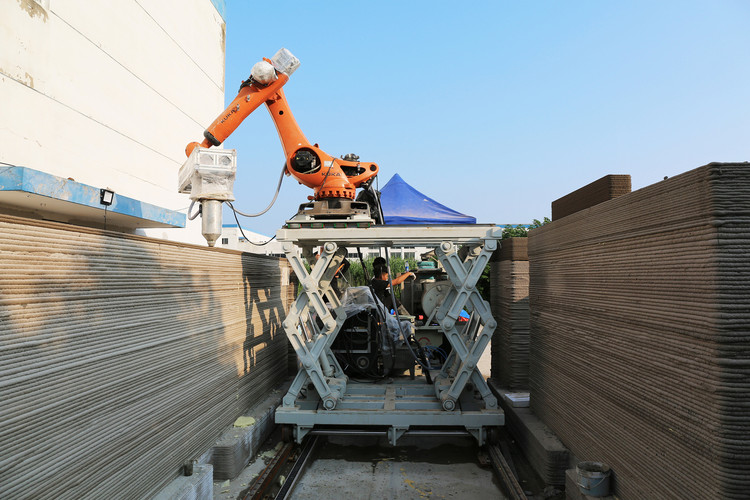
about Print 3D Homes
Print 3D Homes Strategic Company Overview
Print 3D Homes Limited is a Nigerian construction technology company pioneering the use of large-format 3D concrete printing to deliver affordable, sustainable, and resilient housing solutions.
Founded and headquartered in Abia State, the company brings together engineering innovation, digital fabrication, and social impact to close Nigeria’s housing deficit — estimated at over 28 million units.
1. Affordable & Sustainable Housing
By integrating advanced additive manufacturing, digital design (BIM & parametric modeling), and locally optimized materials, Print 3D Homes builds faster, cleaner, and at significantly lower cost than traditional methods. Each project is an opportunity to demonstrate how technology, training, and collaboration can reshape housing delivery in Africa.
2. 3D Partnership & Collaboration for Proposed 3D Private International Airports
3. Training & Knowledge Transfer
⚙️ 4. Technology & Innovation

Social & Economic Impact
About
We craft compelling narratives that resonate with your target audience. Our team of seasoned 3D Print Construction Experts combines cutting-edge Technology, Next generation Sales and Marketing Strategies with a touch of artistic flair, ensuring your brand stands out in today’s competitive landscape.
Would you like more information about our products or get in touch with our team? Complete our Contact form on our Contact page, and we will reply to you.
Overview
3D print construction in Nigeria offers significant potential to address the country’s severe housing deficit by providing faster, more sustainable, and potentially more cost-effective building solutions in the long term. However, its widespread adoption faces challenges, including high initial investment costs and a lack of technical expertise and infrastructure.
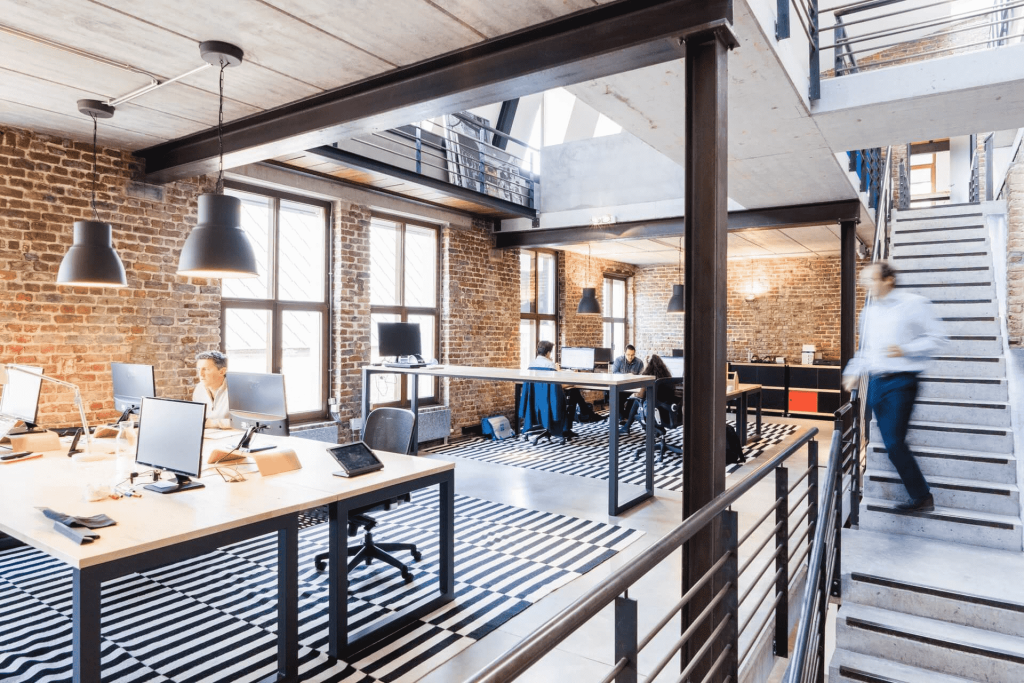
Social and Economic Impacts
Embracing this technology, potentially with government support and investment, could be a transformative step in addressing Nigeria’s developmental needs and driving sustainable economic growth.
Addressing the Housing Deficit:
With Nigeria facing a significant housing shortage, estimated at 28 million units, 3D printing can expedite the construction process, potentially building homes in days or weeks rather than months. This rapid deployment could provide affordable housing solutions, especially for low-income families and displaced populations (IDPs).
Improved Quality of Life and Durability:
Houses built with 3D printing use high-performance, lightweight concrete that is potentially stronger and more durable than conventional blocks, offering resistance to fire, pests, and extreme weather, thus improving living conditions and reducing maintenance costs.
Customization and Design Flexibility:
Customization and Design Flexibility: The technology allows for complex, unique architectural designs that would be difficult or impossible with traditional methods. This flexibility enables builders to create structures tailored to specific cultural aesthetics and community needs.
Increased Safety and Reduced Human error
The automated nature of 3D printing can lead to fewer on-site construction accidents and errors, as the process is guided by precise digital designs.
Potential Cost Reduction:
While initial setup costs for equipment and proprietary materials are high, the long-term benefits include reduced material waste (up to 30-60%) and lower labor costs (50-80% reduction in on-site manual labor). These efficiencies can make projects more economically viable over time.
Local Manufacturing and Reduced Imports:
There is potential for local sourcing and development of printing materials (such as earth-based mixtures), which can reduce reliance on imports and strengthen the local manufacturing economy.
Job Creation Creation
The shift to 3D printing creates demand for new, specialized skills in digital design (CAD), printer operation, and maintenance. This fosters the growth of new educational programs and can lead to job creation in the technology sector, rather than mass job losses in traditional labor.
Faster Project Delivery:
The speed of construction reduces project timelines, which can accelerate development and provide faster returns on investment for developers.
Projected Future Outlook
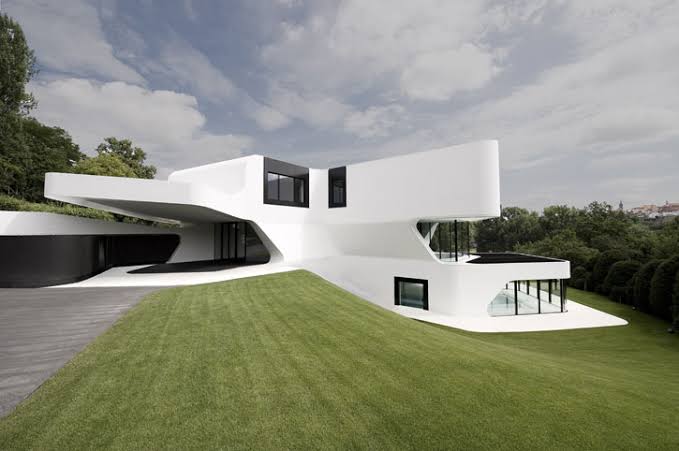

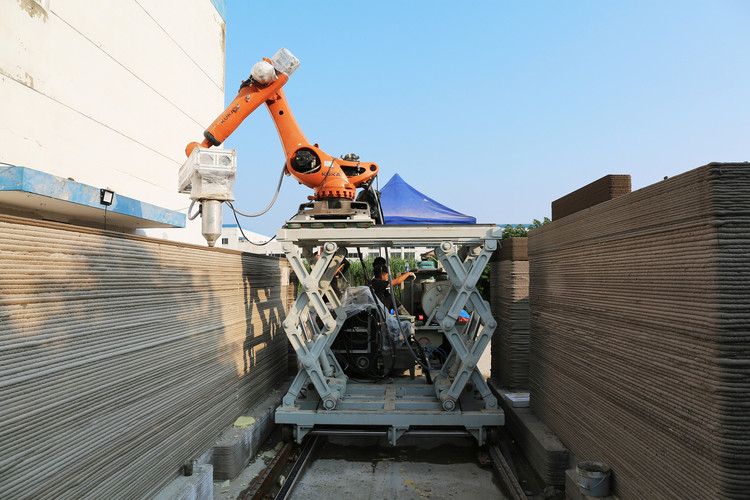
Print 3D Homes Future projections.
Future Outlook (2025 – 2030)
Establish 3D printing hubs in Abia, Lagos, Abuja, and Port Harcourt.
Deliver over 2,000 affordable 3D-printed housing units across Nigeria in partnership with state housing authorities.
Train over 1,000 technicians, engineers, and construction professionals in additive construction.
Expand operations regionally into West Africa, leveraging Nigeria as the innovation base.